
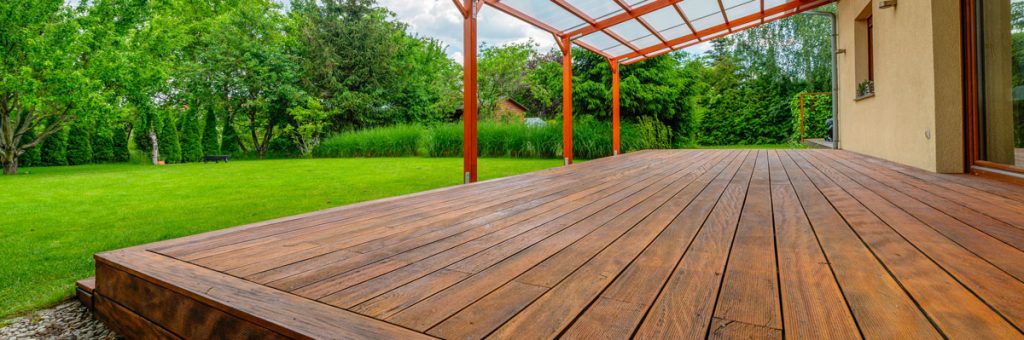
How do I prepare my deck for summer usage?
If you’re wondering how to prepare your deck for summer, now is the perfect time to start. After months of snow, rain, freezing temperatures, and debris buildup, even a well-built deck can begin showing signs of wear. Taking the time to inspect and maintain your outdoor space as summer arrives can help prevent expensive repairs while making your deck safer and more enjoyable for entertaining, grilling, and relaxing.
Whether you have a wood deck or composite decking, seasonal maintenance goes a long way toward protecting your investment. From cleaning and sealing to identifying structural faults early, this guide walks homeowners through the key steps to take before summer begins.
If your deck is already showing signs of age or damage, White Pine Builds also offers professional deck building and replacement services across Massachusetts, Connecticut, Rhode Island, and New Hampshire.
Start With a Full Deck Inspection
Before you start washing or staining anything, you should complete a thorough deck inspection checklist. Winter moisture and repeated temperature changes can loosen fasteners, warp boards, and create unseen structural issues that become worse during summer use.
Walk the entire deck slowly and look for:
- Loose or wobbly railings
- Cracked or splintering boards
- Soft spots or wood rot
- Rusted screws or brackets
- Uneven stairs
- Sagging framing
- Mold or mildew buildup
- Areas where water may be pooling
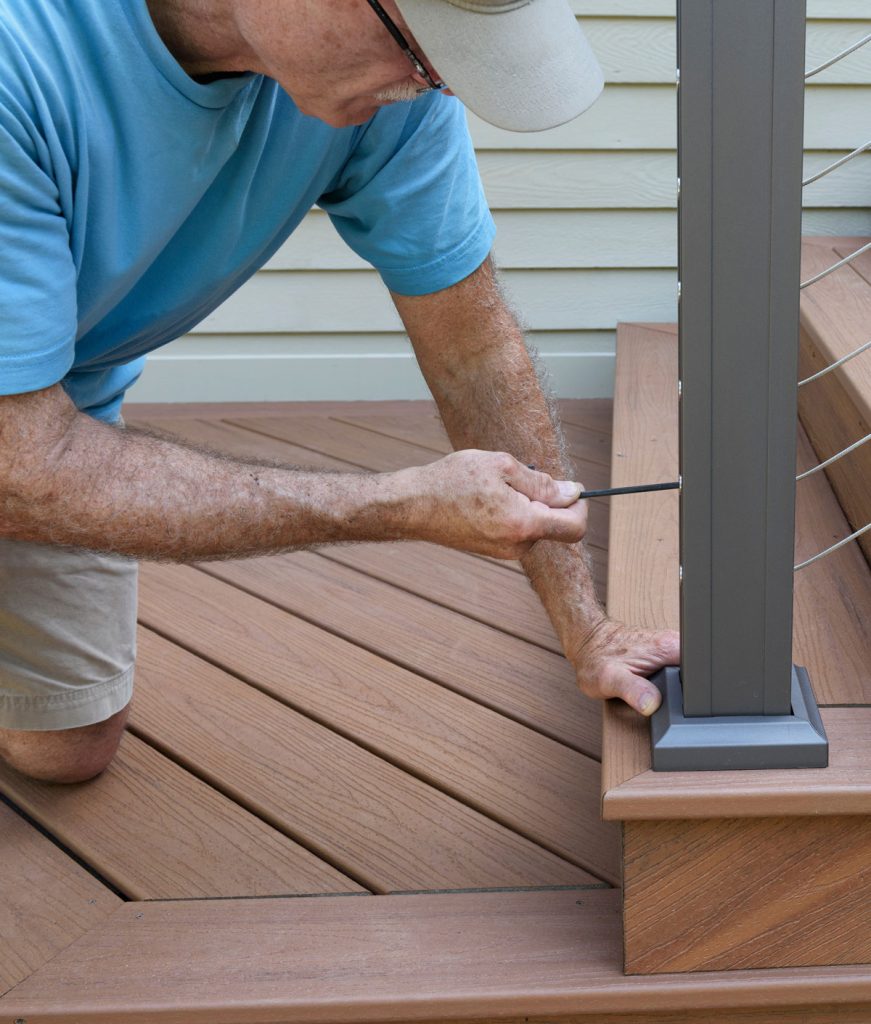
Pay close attention to the spots where the deck connects to your house. Flashing and ledger board issues could cause water intrusion and structural damage over time.
If you notice widespread deterioration, it may be time to replace your deck: 5 Signs It’s Time to Replace Your Deck.
Should You Repair or Replace Your Deck Before Summer?
Some deck problems are cosmetic, while others can point to larger structural issues. Loose railings, cracked boards, and surface discoloration are common after winter, but widespread rot or movement in the framing may require more than simple maintenance.
If your deck has recurring repair issues or areas that feel unstable underfoot, it may be worth having the structure professionally evaluated before summer use increases. Catching problems early can help homeowners avoid larger repairs and safety concerns later in the season.
White Pine Builds provides deck repair, replacement, and custom deck construction services throughout Massachusetts and Southern New England.
Not Sure If Your Deck Is Structurally Sound?
Loose railings, soft boards, or sagging areas can turn into larger problems fast. White Pine Builds helps homeowners inspect aging decks and determine whether repairs or replacement make the most sense.
Clean Away Dirt, Mold & Winter Build Up
Not every deck problem requires major repairs or replacement. In most cases, routine maintenance and seasonal cleaning can help extend the life of your deck while keeping it safer and easier to maintain throughout the summer.
One of the most important parts of summer deck maintenance is giving the entire surface a deep cleaning. Dirt, leaves, algae, and trapped moisture can all shorten the lifespan of your deck if left untreated.
When learning how to clean a deck properly, start simple:
- Remove furniture and planters
- Sweep away debris between boards
- Rinse the surface thoroughly
- Use a deck-safe cleaner to remove grime
- Scrub problem areas with a soft-bristle brush

For homeowners wondering how to clean a wood deck without damaging it, avoid harsh chemicals or stiff wire brushes. These can scar the wood surface and prematurely remove protective coatings.
Many people ask if Dawn dish soap works for deck cleaning. In small amounts, it can help with light dirt, but it’s generally better to use products specifically designed for deck surfaces. Manufacturers like Trex and TimberTech provide cleaning recommendations for composite materials.
Keeping your deck clean improves its appearance and helps you spot damage before it becomes serious.
Should You Power Wash Your Deck?
Homeowners often ask how to power wash a deck safely, especially after a long winter season. Pressure washing can be effective, but it needs to be done carefully.
If you plan to pressure wash:
- Keep pressure moderate
- Use a fan tip nozzle
- Maintain a consistent distance
- Avoid staying in one area
Using too much pressure can:
- Gouge wood fibers
- Damage sealant
- Leave splintered surfaces
- Force water deeper into the boards
Older pressure-treated lumber is especially vulnerable to damage. Composite decking may also require different cleaning methods depending on the manufacturer’s recommendations.
If you’re unsure, a gentler wash-and-scrub approach is generally safer than aggressive pressure washing.
For additional safety guidance around outdoor work and maintenance, review the Occupational Safety and Health Administration (OSHA) guide to Working in Outdoor and Indoor Heat Environments.
Check If Your Deck Needs Sealing or Staining
Another major step in how to get your deck ready for summer is checking whether your current sealant is still protecting the wood.
A quick test:
Sprinkle a small amount of water on the deck surface. If the water beads up, your sealant is likely still working. If it absorbs quickly into the wood, the deck may need to be resealed.

Learning how to seal a deck properly can help protect against:
- UV damage
- Moisture intrusion
- Rot
- Splitting
- Premature aging
Some signs that your deck may need attention:
- Fading color
- Dry or rough texture
- Cracking
- Water absorption
- Increased mildew growth
Most sealants last anywhere from 1–3 years, depending on sun exposure, weather, and traffic levels.
Thinking About Upgrading Your Outdoor Space?
Whether your deck needs seasonal maintenance, repairs, or a full rebuild, White Pine Builds creates durable outdoor spaces designed for long-term use and New England weather.
Prepare Your Deck for Furniture, Grilling & Summer Traffic
Once your deck is clean and inspected, it’s time to prepare it for everyday summer use.
Heavy furniture, grills, rugs, and planters can trap moisture or damage deck surfaces if not managed carefully.
A few simple deck cleaning tips and maintenance habits can help:
- Use furniture pads under chairs and tables
- Avoid trapping water under outdoor rugs
- Move planters occasionally to prevent staining
- Trim nearby bushes to improve airflow
- Keep grills on protective mats
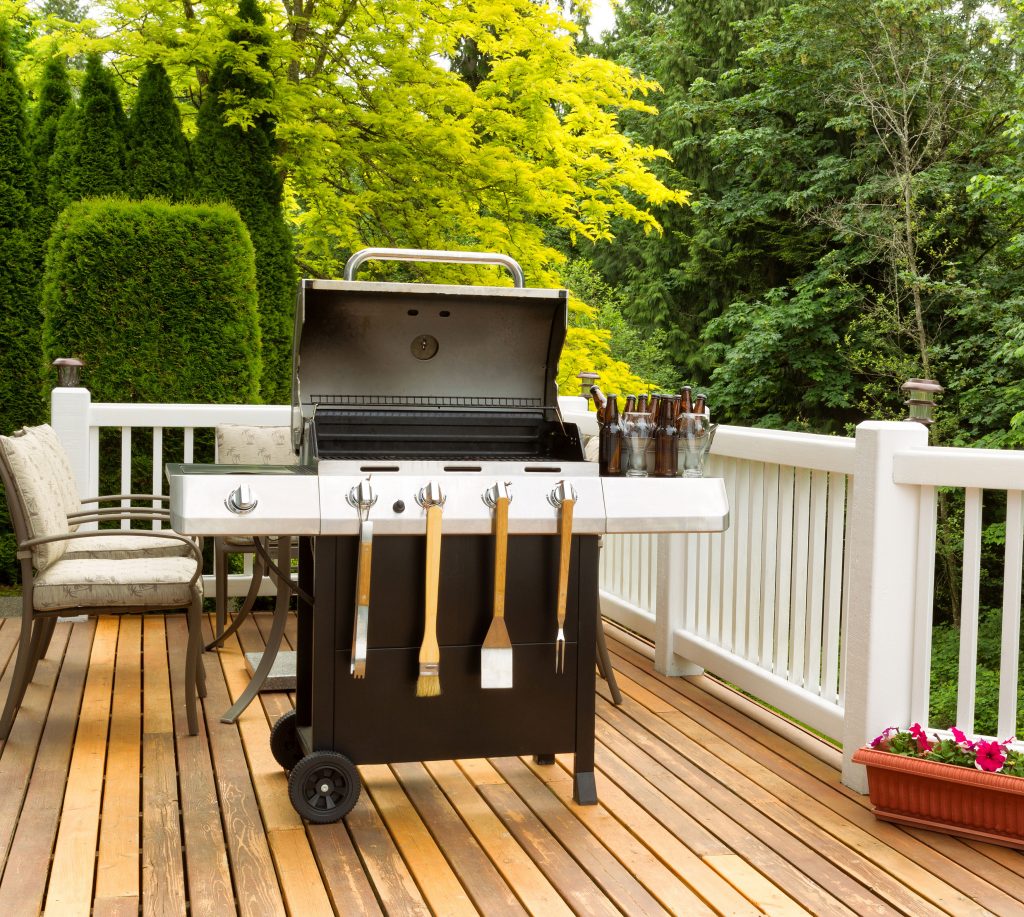
This is especially important for wood decking, where trapped moisture can accelerate rot and mildew growth.
It’s also a good idea to pay attention to areas of your deck that receive the most direct sunlight or the heaviest foot traffic during summer. These spots often wear faster and may need additional cleaning or resealing over time.
If you host cookouts or gatherings regularly, make sure stairs, railings, and transitions between surfaces remain stable and slip-resistant. A little preventative maintenance before summer gets busy can help keep your outdoor space safer, cleaner, and easier to maintain throughout the season.
When Repairs Mean It’s Time for a Replacement
Sometimes summer deck maintenance uncovers bigger problems than expected.
While minor repairs are common, there are situations where a deck replacement becomes the safer and more cost-effective long-term solution. Issues like extensive rot, loose framing connections, repeated board failures, structural movement, or unsafe stairs and railings can all point to larger underlying problems that routine maintenance may not fully address.
If your deck is older and requires regular repairs, replacement may provide better value, improved safety, and reduced long-term maintenance costs.
If your deck is older and requires regular repairs, replacement may provide better value, improved safety, and reduced long-term maintenance costs. White Pine Builds specializes in custom deck construction using wood, composite, and PVC materials designed for durability and outdoor enjoyment throughout Massachusetts and Southern New England.
Simple Summer Deck Maintenance Checklist
Here’s a quick deck maintenance checklist homeowners can follow each year before summer begins:
- Inspect framing, boards, and railings
- Tighten loose fasteners
- Sweep debris between boards
- Wash away dirt and mildew
- Look for soft spots or rot
- Test existing sealant
- Protect surfaces under grills and furniture
- Trim nearby vegetation
- Monitor drainage and water pooling

Consistent maintenance helps extend your deck’s life while keeping it safe and enjoyable all season long.
Ready to Refresh or Rebuild Your Deck?
From seasonal repairs to complete custom deck builds, White Pine Builds helps homeowners create outdoor spaces that are safe, durable, and built for everyday use.
Frequently Asked Questions
What Is the 3/4/5 Rule for Decks?
The 3/4/5 rule is a simple framing method builders use to make sure a deck layout is square during construction. It comes from the Pythagorean theorem. If one side measures 3 feet and the other measures 4 feet, the diagonal between them should measure 5 feet when the corner is perfectly square.
Contractors often use larger versions of the same ratio when laying out bigger decks. Keeping the frame square helps prevent uneven decking boards, crooked railings, and alignment issues later in the project.
Can I Use Dawn Dish Soap to Wash My Deck?
Dawn dish soap can work for light deck cleaning, especially for removing surface dirt or pollen buildup. However, for deeper cleaning or mildew removal, most homeowners achieve better results with a cleaner specifically designed for wood or composite decking.
When learning how to clean a deck properly, it’s important to refrain from using harsh chemicals that could damage sealants or stain finishes. A mild cleaner, soft-bristle brush, and gentle rinse are usually enough for regular summer deck maintenance.
What Is the Most Popular Deck Color This Year?
Natural-looking deck colors are still the most popular option for homeowners. Warm browns, cedar tones, weathered gray finishes, and darker wood-inspired colors remain common for both wood and composite decking.
Many homeowners are also choosing composite decking colors that mimic the look of natural hardwood while needing less maintenance over time. The best deck color often depends on your home’s exterior, sun exposure, and how much heat you want the surface to absorb during summer.
How to Prepare a Deck for Summer
Preparing your deck for summer starts with a full inspection and cleaning after winter weather. Homeowners must check for loose boards, damaged railings, mildew growth, soft spots, and signs of rot before heavy summer use begins.
Once the inspection is complete, clean the deck thoroughly and check whether the existing sealant is still protecting the wood from moisture and UV exposure. Addressing small matters early can help extend your deck’s lifespan and make it safer and easier to maintain throughout the summer season.
How to Seal a Deck
Learning how to seal a deck properly helps protect wood from moisture, sun exposure, cracking, and premature aging. Before sealing, the deck should be fully cleaned and allowed to dry completely so the sealant can bond correctly to the surface.
Once dry, apply the sealant evenly with a brush, roller, or sprayer, following the manufacturer’s instructions. Most wood decks need resealing every few years, depending on weather exposure, foot traffic, and the type of stain or sealant previously used.
How Often Should You Clean Your Deck?
Most decks should be cleaned at least once per year, ideally during spring before the busiest part of summer begins. Homes with heavy tree coverage, high moisture levels, or significant pollen buildup may benefit from more frequent cleaning.
Regular deck cleaning helps prevent mildew growth, removes trapped moisture, and lengthens the lifespan of decking materials. Even if a deck looks relatively clean, dirt and debris between boards can still add to long-term wear.
Do You Need to Rinse a Deck After Cleaning?
Yes. Most deck cleaning products should be thoroughly rinsed off after scrubbing to prevent residue from drying on the surface. Leaving cleaner behind can affect the deck’s appearance and may interfere with future staining or sealing.
Proper rinsing is especially important before applying stain or sealant, as leftover residue can prevent the products from bonding correctly to the wood surface.
Should You Seal a Deck Before Summer?
Yes. Sealing a deck before summer helps protect it from moisture, UV rays, heat, and increased foot traffic during the warmer months. A quality sealant helps prevent cracking, fading, warping, and water absorption that may result in long-term damage.
Spring and early summer are usually ideal times to seal a wood deck because temperatures are moderate and the wood has time to dry after winter weather.
How Long Does Deck Sealant Last?
Most deck sealants last between 1 and 3 years depending on the type of product used and the amount of weather exposure the deck receives. Decks exposed to direct sunlight, heavy rain, snow buildup, or frequent foot traffic often require more frequent maintenance.
Homeowners can test sealant performance by sprinkling water onto the deck surface. If the water beads up, the sealant is likely still working. If the wood absorbs water quickly, it may be time to reseal the deck.
Can You Pressure Wash a Wood Deck?
Yes, but pressure washing a wood deck should be done carefully to avoid damaging the surface. Excessive pressure can gouge wood fibers, create splintering, and remove protective coatings that help preserve the wood.
Using lower pressure settings and maintaining proper distance from the surface can help reduce the risk of damage. In many cases, a gentler cleaning approach using deck cleaner and a scrub brush may be safer for long-term maintenance.
What Happens If You Don't Seal Your Deck?
If a wood deck is left unsealed, it becomes much more vulnerable to moisture damage, UV exposure, cracking, fading, mildew growth, and rot. Over time, unprotected wood absorbs water more easily, which can lead to warping, splitting, and structural deterioration.
Regular sealing helps preserve both the appearance and structural integrity of a deck, especially in climates that experience snow, rain, humidity, and seasonal temperature changes.